You point, you click; you drag and you drop. Files open and close in separate windows. Movies play, pop-ups pop, and video games fill the screen, immersing you in a world of 3-D graphics. This is the stuff we're used to seeing on our computers.
It all started in 1973, when Xerox completed the Alto, the first computer to use a graphical user interface. This innovation forever changed the way the people work with their computers.
Advertisement
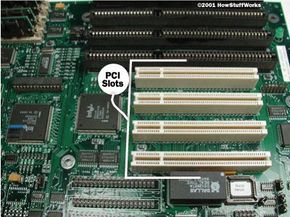
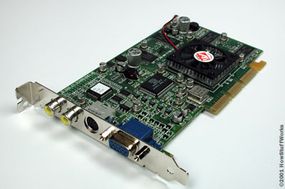
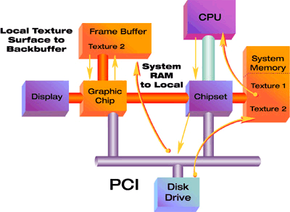
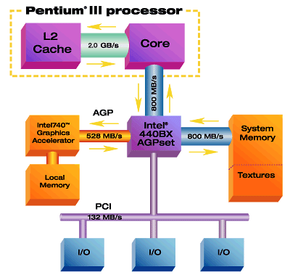
Today, every aspect of computing, from creating animation to simple tasks such as word processing and e-mail, uses lots of graphics to create a more intuitive work environment for the user. The hardware to support these graphics is called a graphics card. The way this card connects to your computer is key in your computer's ability to render graphics. In this article, you will learn about AGP, or Accelerated Graphics Port. AGP enables your computer to have a dedicated way to communicate with the graphics card, enhancing both the look and speed of your computer's graphics.