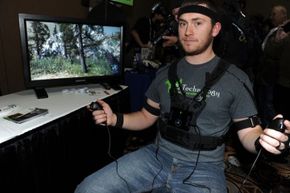
In the very recent past, using a computer meant sitting at a desk or toting around mobile devices. These days, thanks to smartphones and an avalanche of modern wearable technology, you can crunch bits and bytes anytime, anywhere.
And soon, you may not even need to carry your gadgets — they'll be integrated into your hat, your clothes and your eyeglasses. The age of wearable technologies may finally be upon us.
Advertisement
For decades, engineers and dreamers have been conjuring ideas for wearable computers. But microprocessor speeds weren't always up to snuff and power concerns were paramount, because without power to bring them to life, electronics are just dead metal.
Now, with better batteries, ever-increasing processor speed, ceaseless Internet connectivity and clever software programming, wearable technology's potential seems unlimited.
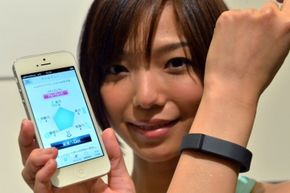
Consider the possibilities. Your yoga outfit can monitor your form and provide instant feedback. Watches and jewelry can monitor you for a whole range of health conditions, from cardiovascular disease to bipolar disorder, and communicate alerts to you and your physician. Sensor- and camera-laden firefighting jackets track the vital signs and locations of squad members to keep them safe and to maximize tactical effectiveness.
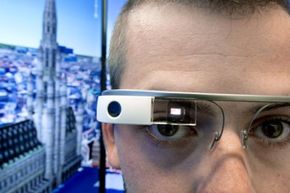
Teenagers can keep tabs on their messages with Bluetooth rings. Don a pair of smart glasses (complete with prescription lenses) and you can execute all sorts of smartphone-like activities. Even your dog can get in on the wearable computing trend. Attach a smart collar to Fido and you'll know if she's harassing squirrels all day or down in the doggie dumps.
Advertisement