
Internet Connectivity
Before you can get to 'computing' you've got to get connected. Learn about things like modem speed, broadband connections, T1 lines and satellite internet.

The Truth About Cloud Storage and Its Future

5 Ways to Keep Your Information Secure in the Cloud

Are my files really safe if I store them in the cloud?
10 Most Secure Email Service Providers for Personal Use
How to Recall an Email in Outlook or Gmail

What Does CC Mean in Email?

How Do Search Engines Work? All About Ranking and Bidding

How to Access the Dark Web

How to Change the Language in Google Chrome

4 Most Secure VPN Option to Keep Your Internet Activity Private
7 Most Secure Browser Options for Privacy-Minded Individuals

Looking for a Search Engine That Donates to Charity? Here Are 10
Should You Use Facebook or Google to Log In to Other Sites?
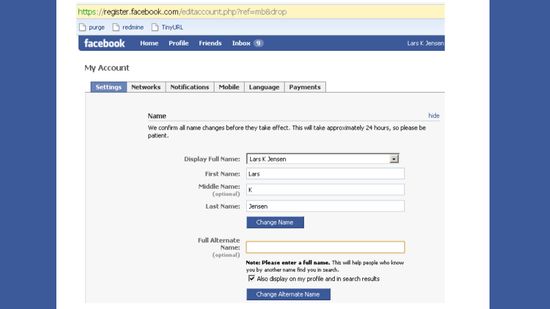
How to Change Your Name on Facebook

How to Deactivate Facebook
Google Easter Eggs: Sweet Treats Hidden in Plain Sight
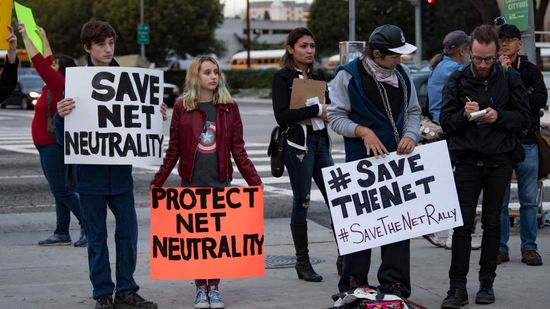
10 Reasons Why You Should Care About Net Neutrality
WiFi Extender vs. Booster: What's the Best Choice for You?

Does Weather Mess With Your Internet Connection?
Why Does My WiFi Keep Disconnecting? 6 Easy Fixes
Learn More
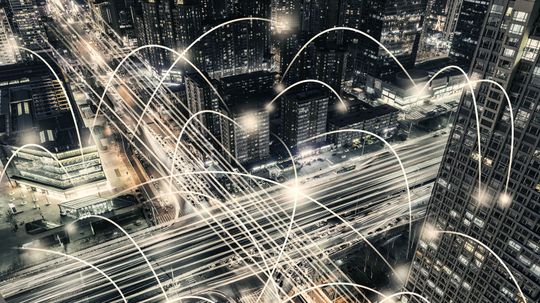
With the COVID-19 pandemic causing people to stay at home and use their devices way more than usual, some are wondering whether the internet could actually stop working from overuse.
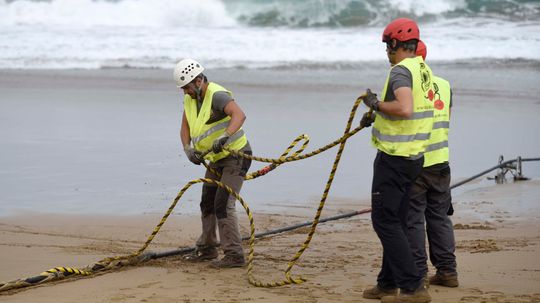
The undersea cables that transmit the internet across the world are largely unprotected from terrorist or military attack.
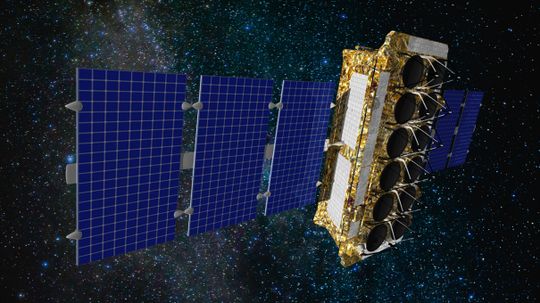
And those satellites could provide you with crazy fast internet service.
Advertisement
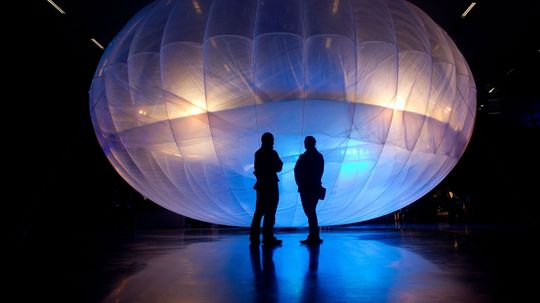
Imagine a world where everyone - really, everyone - has access to the Internet. Google's Project Loon is trying to make that concept a reality ... using balloons.
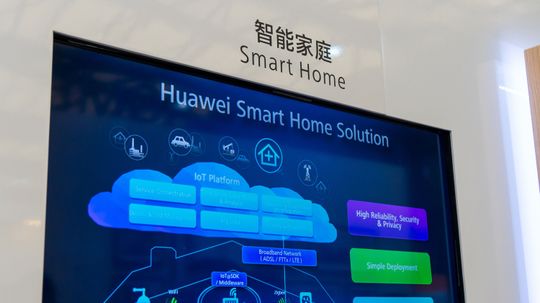
Your phone, your thermostat, even your doorbell can communicate with the Internet, relaying information about the devices - and you. How is all this connectivity affecting our world?
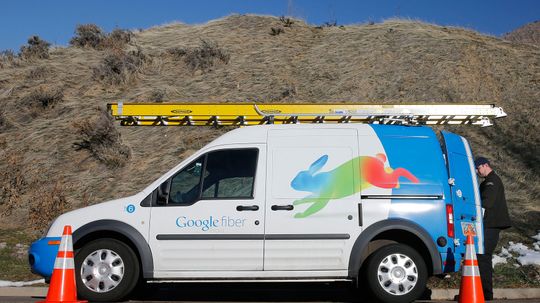
Google's broadband Internet and TV service is often spoken of with near-reverence for its ultra-fast speeds. Why is it so much faster than other options?

A connected world stretching from your blender to your thermostat to the satellites overhead? It seemed like a good idea at the time.
Advertisement

You want to set up Wi-Fi on your laptop, but you're not sure how to do it. We break down the steps required to set up a wireless router and connect to a Wi-Fi network on Windows PCs and laptops.
By Talon Homer
Wireless networking sure is convenient, but it can be slow. An emerging standard known as WiGig may make a difference -- you can transfer 25 GB of data in less than a minute! Will WiGig outlast its competitors?

Fiber Optics, the technique of transmitting light through transparent, flexible fibers of glass or plastic.
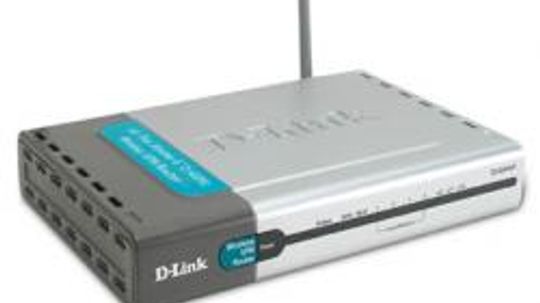
Your options for getting online are myriad, and the technology is ever-evolving. Learn about modems, cables, WiFi and hotspots in vehicles with images of Internet connection tech.
Advertisement
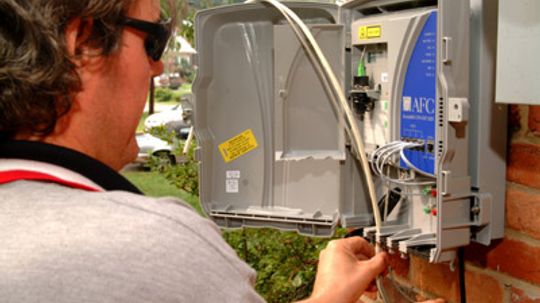
With movies, television, music and more being offered on the Internet these days, you need faster connection speeds. Is fiber optic technology the answer?
By Tim Crosby
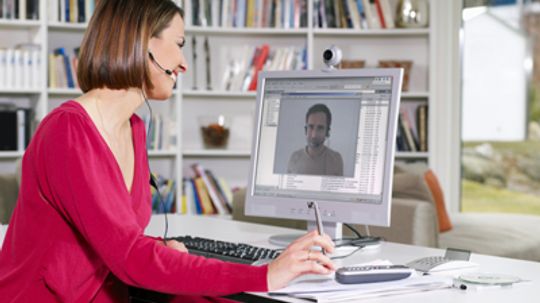
Fiber-to-the-home broadband connections promise the next generation in connectivity to consumers. Learn more about FTTH broadband connections in this article.
By Tim Crosby
Wireless connections are the norm, and there are easy ways to improve your connection. Learn how to improve your wireless connection in this article.
By Andrew Crago

The United States isn't quite the world leader in Internet access that it once was. But how do you measure how wired a country is? Which ones are in the top 10?
Advertisement

Learn about the amazing things that these networks can do and how they may provide free or cheap Internet access. We'll walk you through the technology behind "Municipal WiFi" and tell you why this term can be a misnomer.
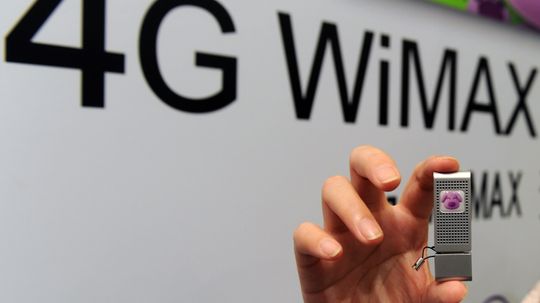
WiMAX has hit technology news in a big way. This networking system can blanket a 30-mile radius with broadband access, compared to WiFi's 300-foot range.
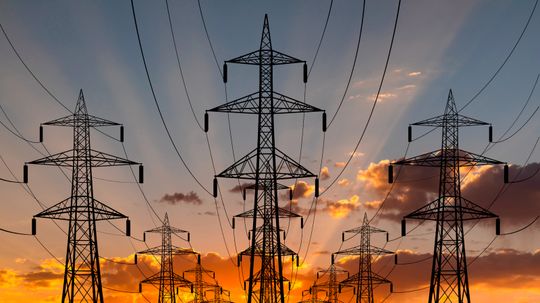
Imagine plugging your computer into any electrical outlet in your home and having high-speed Internet access instantly. Power line broadband is offered in a few U.S. cities, but there are groups and government agencies fighting to block further development. What's the controversy about?

Under the impression that dial-up modems are out of style? Actually, tons of folks still use dial-up Internet access. Find out how high-speed dial-up makes the most of the original connection method.
Advertisement
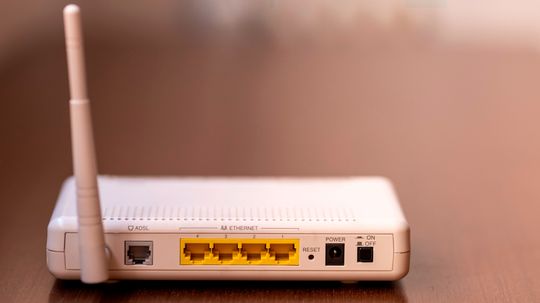
There are too many variables to make a generalization about whether Ethernet or USB is the better way to connect your home computer. Read this article to learn how to pick the right one for your system.
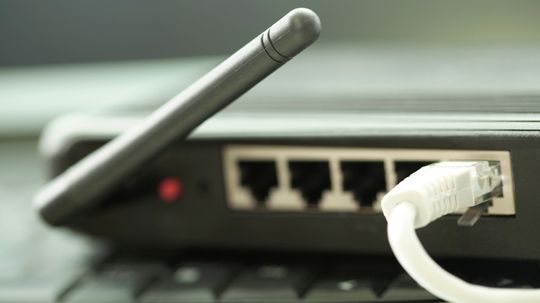
If you've been holding your breath for the next best thing in Internet connections, get ready to exhale. VDSL has five times the speed of regular broadband.
By Jeff Tyson
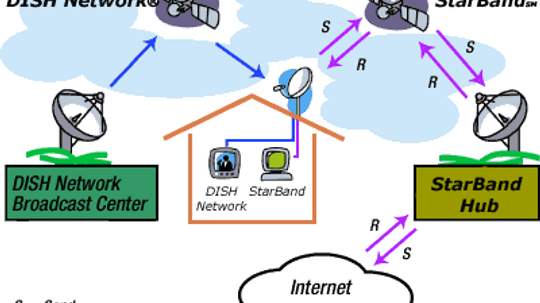
How do you access the Internet other than dial-up if you live too far from a phone company office for DSL and there is no cable TV on your street? Satellite Internet access may be worth considering.
It can be truly frustrating -- one minute you're zipping along just fine, the next, you can't get one page to load. What's causing the backup? Cable modems are part of a loop that begins at the cable company's central office, goes through a certain neighborhood or area, and comes back to the central office.
Advertisement

Fiber-optic lines have revolutionized phone calls, cable TV and the internet. It's a really cool technology that enables the long-distance transmission of data in light signals, and is used in many more ways than you think.
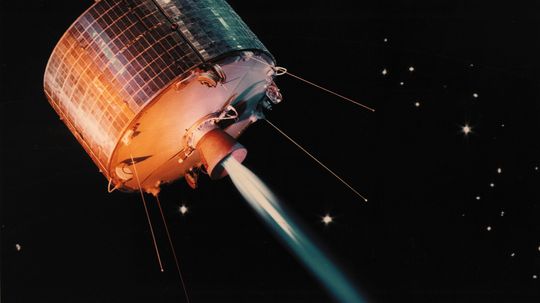
How far will the Internet go? The next phase of the Internet will take us to far reaches of our solar system and lay the groundwork for a communications system for manned missions to Mars and planets beyond.
By Kevin Bonsor