
Computer Networking
Computer networking is the engineering that creates communication between computers and other devices. Learn about the different types of networking and the systems that make networking possible.

Why Is My Computer So Slow? 5 Reasons and How to Fix Them

Should You Shut Down Your Computer Every Night?
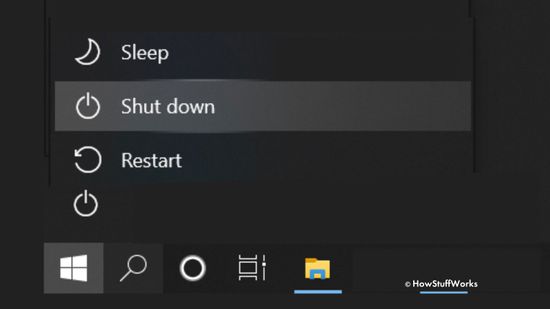
What's the Difference Between Restarting and Shutting Down My Computer?
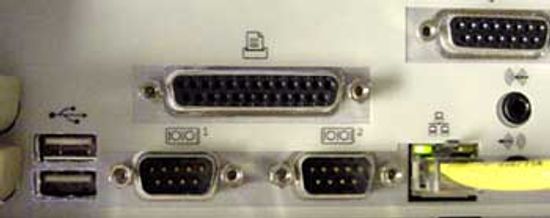
How Parallel Ports Work
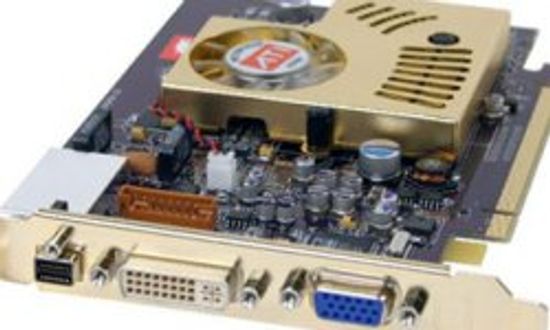
PCI Express Image Gallery

What is the main difference between FireWire and USB?
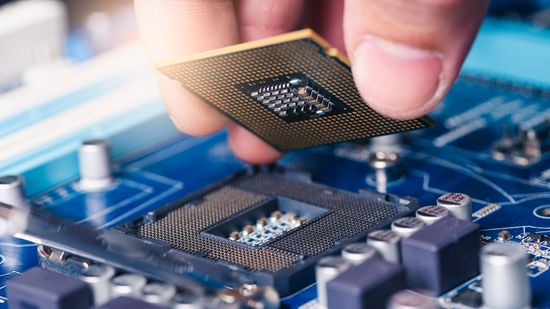
How to Overclock Your CPU
Is Moore's Law outdated?
What is computing power?
How to Wipe a Computer's Hard Drive

How to Fix the Black Screen of Death

Should I move my hard disk to the cloud?

How Secure Digital Memory Cards Work

Computer Memory Pictures

What is virtual memory?
What Is a UPS? How an Uninterruptible Power Supply Works

How to Cool Down Laptop: 5 Easy Ways to Prevent Overheating
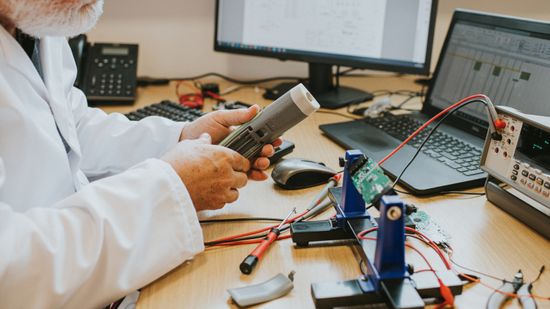
How To Know When Your Computer's CMOS Battery Is Dead
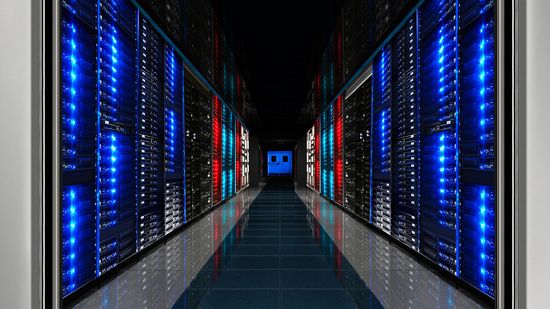
What is the world's fastest supercomputer used for?
Set Your Computer for Energy Savings

Is the desktop computer going the way of the dodo bird?

How to Force Quit on a Mac

Steve Jobs: Life in Pictures

Are Macs more expensive than comparable PCs?

How the Kindle Paperwhite Works

How the Kindle Fire Works

Nook vs. Kindle Fire
Learn More

The three types off VPN are remote access, intranet and extranet VPNs. Learn about the three types of VPNs in this article.

Wireless networks, otherwise known as WiFi, use radio waves so that people can connect to the Internet in all sorts of places. Learn about what you need to build a private WiFi network, in this article.
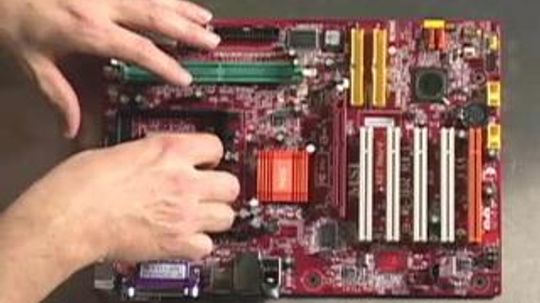
A network server is a computer system used as the central repository of data and various programs that are shared by users in a network. Learn about network servers from this article.
Advertisement
More people are using virtual private networks to establish secure communication over the internet, protecting their private information and allowing remote employees to connect to the private corporate networks.
By Jeff Tyson, Chris Pollette & Stephanie Crawford
IP convergence brings your telephone, Internet, television and other services together in one place. It could save you time, money and the headache of system administration. What drawbacks might you have to face?
The Internet is in a constant state of evolution, and the components involved in that state of perpetual progress are always evolving as well. See all the pieces that have worked together to form computer networks through the years.
When information travels through a network, it follows certain guidelines to ensure compatibility. Find out about OSI and the protocol stacks that prepare your data for transfer.
By Jeff Tyson
Advertisement

Large corporations need many computer servers, which take up space and use a lot of electricity to run and to keep cool. What if you could put multiple servers on a single machine?
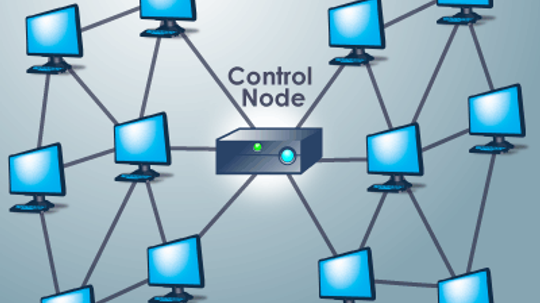
Grid computing lets you use a whole network of computers to solve problems. But how do you ensure access to information without creating gridlock?

Are you interested in M2M communications for automatic transmission and measurement of data? Learn more about M2M communications in this article.
By Tim Crosby
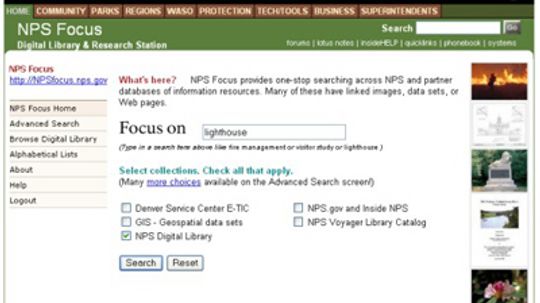
An intranet is a private network, maintained and used by an organization. Learn more about how intranets work in this article.
By Dave Roos
Advertisement

Desktop sharing is a helpful technique that simplifies sharing business ideas. Find out how desktop sharing can change the way that your company works.
By Dave Roos

Storage space and performance can be increased with virtual computing. Learn how computer users are using virtual computing when they need it.

If you're able to stream content while wandering large areas, feel free to thank mesh wifi! But what is mesh wifi, exactly? Read on to explore how wireless mesh networks deliver high-speed internet connectivity anywhere, anytime.
By Chris Pollette & Dave Roos
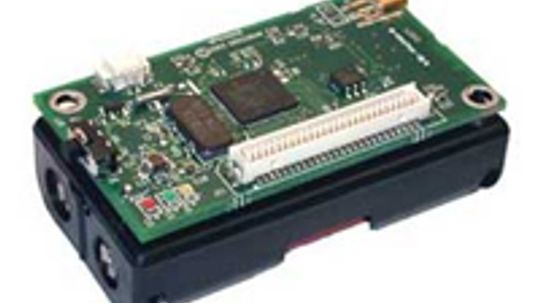
Smart dust sounds like something out of a Disney movie, but it's definitely not. Also called a mote or a wireless sensing network, this new technology is intriguing everyone from military personnel to vineyard owners.
Advertisement
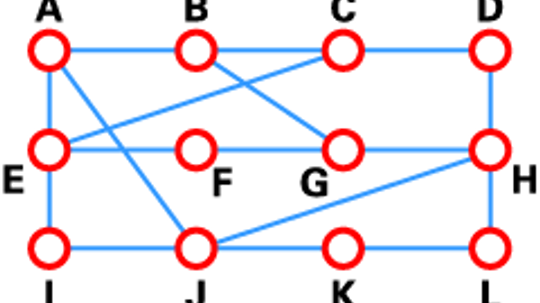
Think you know how routers work? These devices use intricate formulas to figure out exactly where to send a packet and how to get it there. Learn all about routing algorithms.

Voice over Internet Protocol lets you make free long-distance phone calls using your computer. It's essentially a phone network that uses the Internet infrastructure already connecting computers all over the world. Learn all about the technology behind VoIP and how you can set it up on your PC.
By Robert Valdes & Dave Roos
As we move closer to intelligent computers, they may begin to follow us wherever we go. Learn how ubiquitous networking will allow our data and information to travel with us.
By Kevin Bonsor

If your computers are in different rooms, phone-line networking may be a good way to connect them. Learn all about the pros and cons of using a phone-line network.
By Jeff Tyson
Advertisement
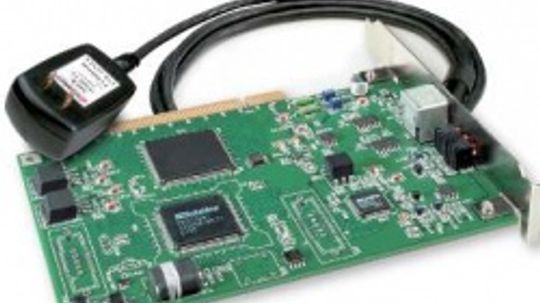
No new wires! Power-line networking uses the wiring already in your house to connect your computers. Learn about the pros and cons of a power-line network and how to set one up.
By Jeff Tyson

If you're thinking of networking the computers in your home, you have several options to explore. Will you go wired or wireless? And what's the best way to ensure the safety of your network?
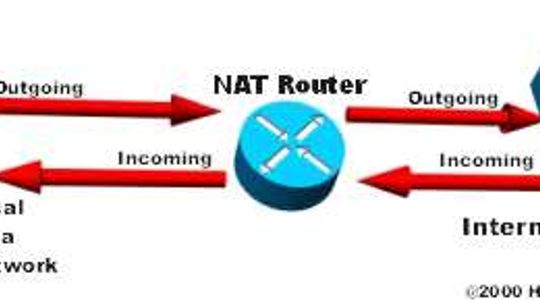
If you're reading this via the Internet you're probably using Network Address Translation (NAT). NAT helps reuse IP addresses and improve security - find out how it works!
By Jeff Tyson
We wouldn't get very far without LAN switches -- bedlam would break loose at each network junction and most of us would be wondering what happened to that e-mail we sent two hours ago.
By Jeff Tyson
Advertisement
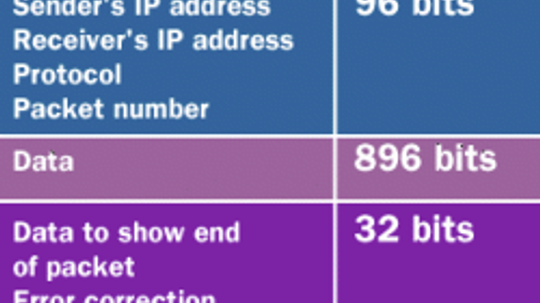
It turns out that everything you do on the internet involves packets. For example, every webpage that you receive comes as a series of packets, and every email you send leaves as a series of packets. Find out what this term really means.
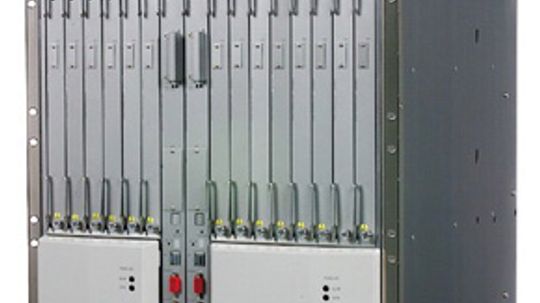
Routers are a vital component of the Internet, but what does a router do? Find out how routers deliver packets of information to the right place, millions of times per day!